
Diabetic Eye Care in Houston: How Annual Retinal Exams Prevent Vision Loss Before Symptoms Start
Blog:Diabetic Eye Care in Houston: How Annual Retinal Exams Prevent Vision Loss Before Symptoms Start
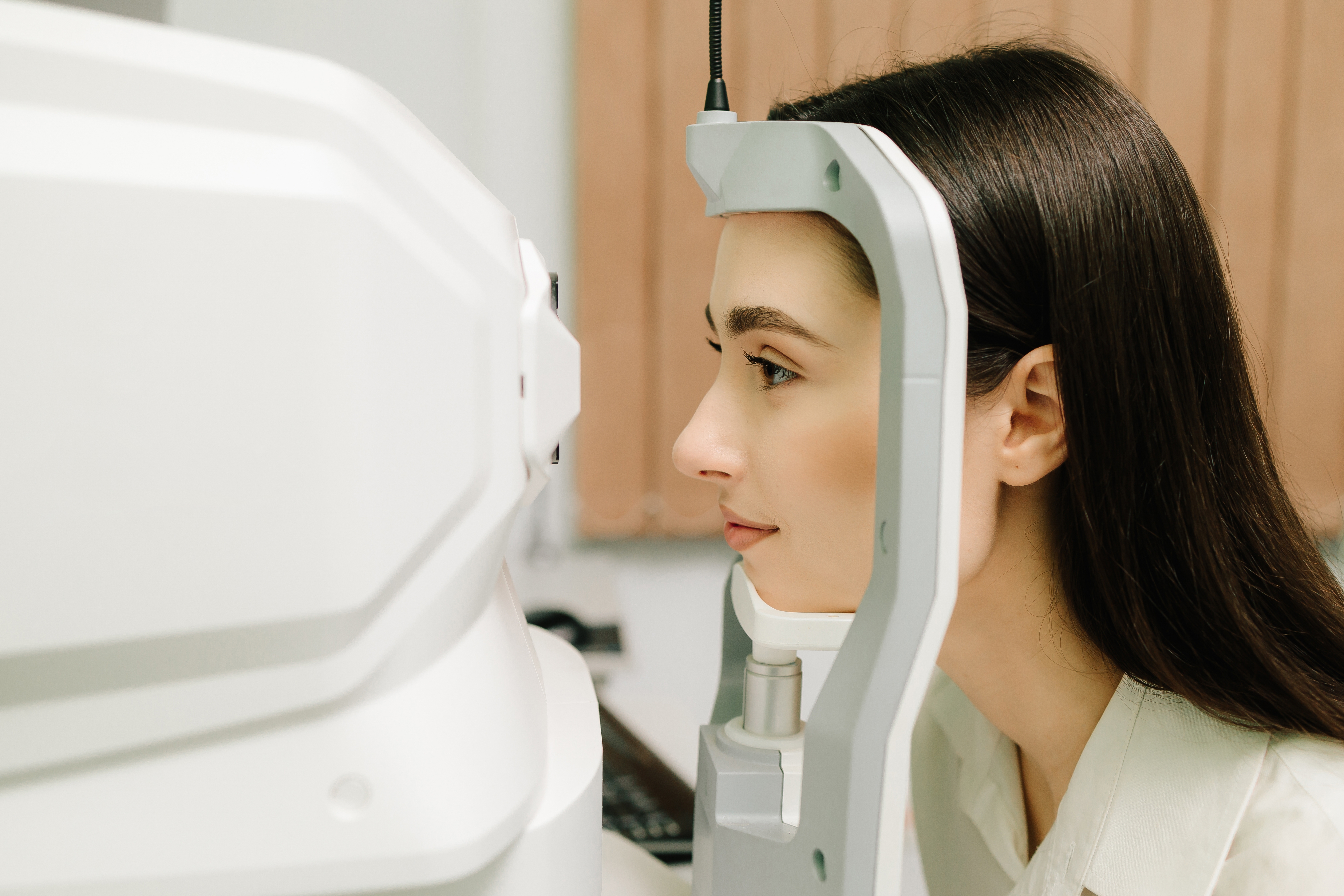
Diabetes can affect your eyes long before your vision seems different. High blood sugar can damage the small blood vessels in the retina, potentially leading to diabetic retinopathy and other complications. Because early disease may cause no noticeable symptoms, regular retinal examinations are an important part of protecting your long-term sight.
At Eye Society in Houston, we provide diabetic eye care and digital retinal imaging to identify changes that may otherwise go unnoticed. Detecting problems early gives you and your healthcare team an opportunity to respond before diabetic eye disease becomes more advanced.
What Is Diabetic Retinopathy?
Diabetic retinopathy develops when diabetes damages blood vessels within the retina, the light-sensitive tissue at the back of the eye.
In earlier stages, weakened retinal vessels may leak fluid or blood. As the disease progresses, abnormal new blood vessels can develop and increase the risk of bleeding, scar tissue, retinal complications, and significant vision loss.
Diabetic macular edema can also occur when fluid collects in the macula, the central part of the retina responsible for detailed vision.
Why Can Diabetic Eye Disease Go Unnoticed?
One of the challenges with diabetic retinopathy is that vision may remain relatively normal during its early stages.
You should not wait for symptoms such as blurry vision or floaters before scheduling an eye examination. Retinal changes may already be developing by the time you notice a difference.
Signs of more advanced diabetic eye disease can include:
Blurry or fluctuating vision
New spots or floaters
Difficulty seeing at night
Areas of missing or distorted vision
Changes in color perception
Sudden or significant vision loss
Any sudden change in vision deserves prompt evaluation.
How Does Retinal Imaging Help?
At Eye Society, we use digital retinal imaging to capture detailed pictures of the retina, blood vessels, and optic nerve.
These images help us look for early retinal changes associated with diabetes, including abnormal blood vessels, leakage, or swelling. Retinal photographs can also be saved and compared over time, allowing us to identify subtle changes between visits.
For Houston patients managing diabetes, this long-term record can be especially useful because retinal health can change even when vision remains stable.
Retinal photography is an important diagnostic tool, but it does not automatically replace a dilated comprehensive examination when dilation is medically indicated.
How Often Do You Need a Diabetic Eye Exam?
Many patients with diabetes should have their retinal health evaluated regularly, often annually.
People with type 2 diabetes should receive an initial comprehensive eye examination around the time of diagnosis because blood sugar may have been elevated before diabetes was identified. Adults with type 1 diabetes generally begin comprehensive retinal screening within five years after diabetes develops.
The schedule may change after that. If repeated exams show no retinopathy and blood sugar is well controlled, your eye doctor may recommend an interval of one to two years. If diabetic retinopathy is present, annual or more frequent examinations may be necessary.
Your individual recommendation depends on your retinal findings, diabetes control, medical history, and other risk factors.
Can an Eye Exam Actually Prevent Vision Loss?
The examination itself does not treat diabetic retinopathy. Its value is early detection.
Finding retinal changes before significant vision loss develops creates an opportunity for better diabetes management, closer monitoring, and referral for ophthalmic treatment when necessary. Treatments for more advanced diabetic retinopathy and diabetic macular edema can significantly reduce the risk of vision loss when provided at the appropriate time.
Managing blood sugar, blood pressure, cholesterol, and other health factors also plays an important role in reducing the risk and progression of diabetic eye disease.
If you have diabetes and are due for your retinal evaluation, schedule your diabetic eye exam with Eye Society at 714 Yale St., Suite 2G, Houston, TX 77007 by calling (832) 582-7216. We can evaluate your retinal health, document changes with digital imaging, and help you stay proactive about protecting your vision before symptoms begin.
Quick Links
Helpful Articles
article_category: products
article_category: psychiatry
article_category: faqs
article_category: cats
article_category: general
article_category: services
article_category: technology
article_category: dogs
article_category: restorative
article_category: vision therapy
article_category: contact lenses
article_category: health
article_category: conditions
article_category: eye surgery co-management
article_category: exotic
article_category: cosmetic
article_category: surgical procedures
article_category: aesthetics
article_category: preventative
article_category: ocular disease management
article_category: eyeglasses
article_category: eye health
article_category: large animal
[]
article_category: psychiatry
article_category: faqs
article_category: cats
article_category: general
article_category: services
article_category: technology
article_category: dogs
article_category: restorative
article_category: vision therapy
article_category: contact lenses
article_category: health
article_category: conditions
article_category: eye surgery co-management
article_category: exotic
article_category: cosmetic
article_category: surgical procedures
article_category: aesthetics
article_category: preventative
article_category: ocular disease management
article_category: eyeglasses
article_category: eye health
article_category: large animal
[]
Flowbite is an open-source library of interactive components built on top of Tailwind CSS including buttons, dropdowns, modals, navbars, and more.
Check out this guide to learn how to get started and start developing websites even faster with components on top of Tailwind CSS.
All Eye Care Services
We offer a wide variety of eye care services to the Houston community. Contact us with any questions about our services.
Keep In Touch
For non-urgent questions or to learn more about our services, contact us today!

Quick Links
Contact Info
- 714 Yale St. Suite 2G
Houston, TX 77007 - Phone: (832) 582-7216
- Fax: (346) 701-7878
Hours of Operation
- Monday 9:30 am – 6:00 pm
- Tuesday 10:00 am – 4:00 pm
- Wednesday 9:30 am – 6:00 pm
- Thursday 9:30 am – 6:00 pm
- Friday 9:30 am – 6:00 pm
- Saturday CLOSED
- Sunday CLOSED
- Monday
- Tuesday
- Wednesday
- Thursday
- Friday
- Saturday
- Sunday
- Monday
- Tuesday
- Wednesday
- Thursday
- Friday
- Saturday
- Sunday
© 2026 Eye Society. All rights Reserved - Accessibility Statement - Privacy Policy - Sitemap
Managed and Designed by 