
Managing Glaucoma: How Early Detection Saves Vision
Blog:Managing Glaucoma: How Early Detection Saves Vision
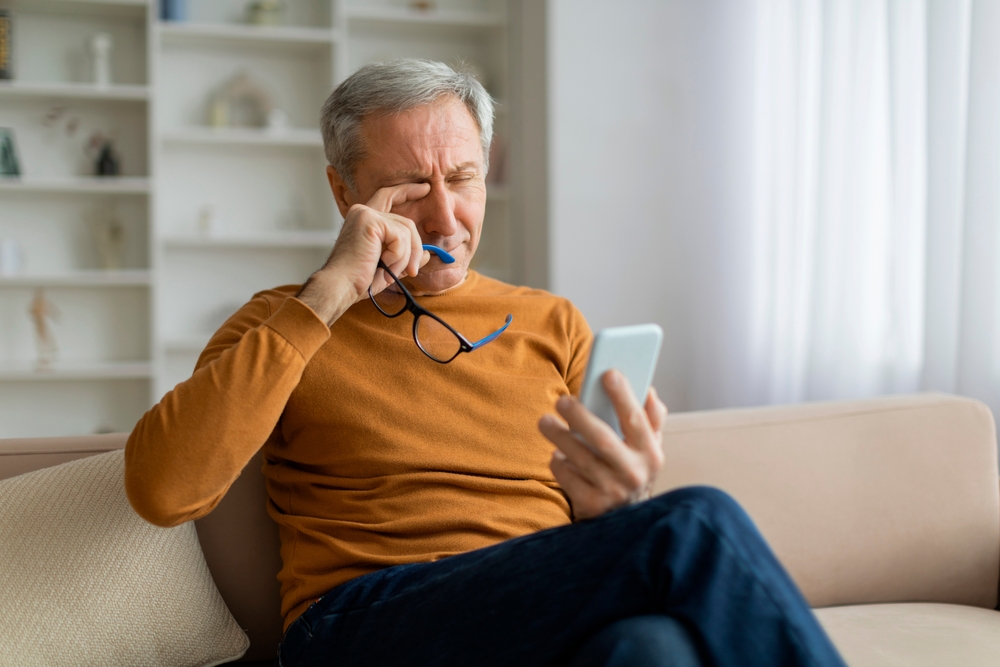
Glaucoma is one of the leading causes of irreversible vision loss worldwide - and one of the most dangerous aspects of this condition is that it often develops without noticeable symptoms. Many people with glaucoma are unaware they have it until significant vision damage has already occurred. The good news is that with early detection and proper management, vision loss from glaucoma can often be slowed or even prevented.
What Is Glaucoma?
Glaucoma refers to a group of eye conditions that damage the optic nerve, which is responsible for transmitting visual information from the eye to the brain. This damage is most commonly associated with elevated intraocular pressure (IOP), although glaucoma can occur even when eye pressure is within a normal range.
Over time, increased pressure or poor optic nerve health can lead to gradual loss of peripheral (side) vision. If left untreated, glaucoma may eventually affect central vision and result in blindness.
Who Is at Risk for Glaucoma?
While glaucoma can affect anyone, certain factors increase the risk, including:
Being over the age of 40
A family history of glaucoma
Elevated eye pressure
Diabetes or high blood pressure
Long-term steroid use
Previous eye injuries or surgeries
If you fall into one or more of these categories, regular eye exams are especially important.
How Early Detection Protects Your Vision
Early detection allows eye doctors to identify glaucoma before noticeable vision loss occurs. During an eye exam, your optometrist can evaluate eye pressure, examine the optic nerve, assess peripheral vision, and measure corneal thickness.
When glaucoma is diagnosed early, treatment can begin right away - often preventing or significantly slowing further damage. While glaucoma-related vision loss cannot be reversed, early intervention is the most effective way to preserve remaining vision for the long term.
Treatment Options for Managing Glaucoma
Glaucoma management focuses on lowering eye pressure and protecting the optic nerve. Treatment plans are tailored to each patient and may include:
Prescription Eye Drops: Medicated eye drops are the most common first-line treatment. They work by either reducing fluid production in the eye or improving fluid drainage.
Oral Medications: In some cases, oral medications may be prescribed to help lower eye pressure when drops alone are not sufficient.
Laser Therapy or Surgical Procedures: For patients who do not respond well to medications, laser treatments or surgical options may be recommended to improve fluid drainage and reduce pressure.
Stay Ahead of Glaucoma at Eye Society
Glaucoma may be a lifelong condition, but it does not have to lead to vision loss. Early detection, consistent monitoring, and proper treatment play a crucial role in preserving eyesight and maintaining quality of life. The sooner glaucoma is identified, the more options are available to manage it effectively.
Schedule a glaucoma exam at Eye Society and take an important step toward preserving your eyesight. Visit our office in Houston, Texas, or call (832) 582-7216 today.
Quick Links
Helpful Articles
article_category: products
article_category: psychiatry
article_category: faqs
article_category: cats
article_category: general
article_category: services
article_category: technology
article_category: dogs
article_category: restorative
article_category: vision therapy
article_category: contact lenses
article_category: health
article_category: conditions
article_category: eye surgery co-management
article_category: exotic
article_category: cosmetic
article_category: surgical procedures
article_category: aesthetics
article_category: preventative
article_category: ocular disease management
article_category: eyeglasses
article_category: eye health
article_category: large animal
[]
article_category: psychiatry
article_category: faqs
article_category: cats
article_category: general
article_category: services
article_category: technology
article_category: dogs
article_category: restorative
article_category: vision therapy
article_category: contact lenses
article_category: health
article_category: conditions
article_category: eye surgery co-management
article_category: exotic
article_category: cosmetic
article_category: surgical procedures
article_category: aesthetics
article_category: preventative
article_category: ocular disease management
article_category: eyeglasses
article_category: eye health
article_category: large animal
[]
Flowbite is an open-source library of interactive components built on top of Tailwind CSS including buttons, dropdowns, modals, navbars, and more.
Check out this guide to learn how to get started and start developing websites even faster with components on top of Tailwind CSS.
All Eye Care Services
We offer a wide variety of eye care services to the Houston community. Contact us with any questions about our services.
Keep In Touch
For non-urgent questions or to learn more about our services, contact us today!

Quick Links
Contact Info
- 714 Yale St. Suite 2G
Houston, TX 77007 - Phone: (832) 582-7216
- Fax: (346) 701-7878
Hours of Operation
- Monday 9:30 am – 6:00 pm
- Tuesday 10:00 am – 4:00 pm
- Wednesday 9:30 am – 6:00 pm
- Thursday 9:30 am – 6:00 pm
- Friday 9:30 am – 6:00 pm
- Saturday CLOSED
- Sunday CLOSED
- Monday
- Tuesday
- Wednesday
- Thursday
- Friday
- Saturday
- Sunday
- Monday
- Tuesday
- Wednesday
- Thursday
- Friday
- Saturday
- Sunday
© 2026 Eye Society. All rights Reserved - Accessibility Statement - Privacy Policy - Sitemap
Managed and Designed by 